Every step of the process will be explained to you. Starting from installation and charger types to locating local charging stations. Knowing this, you'll be able to prolong the life of the batteries in your electric car.
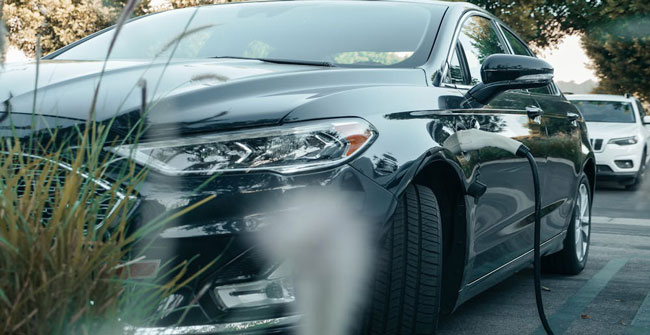
The Correct EV Charger to Use for Your Needs
There are various alternatives for charging an electric vehicle (EV). Home chargers (Levels 1 and 2) are the most popular and convenient, with a range of 2-5 miles/hour. Level 2 chargers require installation but charge at 10-30 miles per hour and are compatible with the majority of EVs. Public charging stations (Level 2) can swiftly charge your EV, and large retailers like Target, Kroger, and McDonald's provide free Level 2 charging.
With a range of 10–20 miles per hour and compatibility with smart chargers like Octopus, level 2 chargers are great for the majority of drivers. A select number of electric vehicles (EVs) are capable of DC quick charging (Level 3), including the Tesla, Chevy Bolt, and Nissan LEAF. At a greater cost per session, these might offer 60–100 miles of range in 20 minutes. You should familiarize yourself with the various options and chargers. It will be beneficial as it will provide your car with the greatest possible charging experience.
Level 1, Level 2, and DC Fast Charging: The Types of EV Charging Stations
Level 1 Chargers: Standard Chargers
There are several alternatives available to charging your EV. The typical wall outlet charger, or Level 1, is quick and easy to use but charges only up to five miles per hour.
Level 2 Chargers: Fast and Intelligent
Common public charging stations are those with 240 volts or Level 2 chargers. These days, numerous chargers are "smart," meaning they can change their charging speed automatically according to the grid's requirements. After-hours smart chargers, such as the Octopus, may charge your car up to seven times quicker than using a standard wall socket. The best part is many utilities and employers offer incentives or rebates for installing Level 2 chargers.
DC Fast Chargers: Quickest but Priciest
The greatest option for quick charging when traveling is a DC fast charger. With just 20 minutes, DC rapid chargers can deliver 400–800 volts, offering 60–80 miles of range. But if you use them frequently, rapid chargers might shorten the lifespan of your battery and are more expensive to install. They're best for occasional use on long drives. Look for chargers with CHAdeMO or CCS connectors that are compatible with most EVs.
Installing an EV Charger at Home
Select between Level 1 and Level 2 chargers before installing an electric vehicle (EV) charger, and find out if your power company offers any tax breaks or subsidies. The circuit, wiring, and 240-volt outlet are required for level 2 chargers. Following local regulations and building specifications, install the home charger outside or within your garage. Ensure that the electrician is licensed and consult with your insurance provider about any necessary changes. Once installed, contact your local utility provider and charger maker to activate and register your home charging station so that they can monitor consumption and handle any concerns. Most chargers also have smart applications for charging schedules and power level monitoring.
Charging Etiquette - EV Charging Station Etiquette
Being considerate of other cars is crucial when utilizing public EV charging station solutions. Since these chargers are a routine resource, everyone will benefit from careful use and courteous conduct. Each charging station will have specific directions for use. Carefully read all signs to understand things like:
• Many are pay-at-the-pump with credit cards, while some use exclusive membership cards or apps.
• Not all EVs can charge at the fastest rates, so choose the correct charger for your vehicle's abilities.
• Most stations will allow at least 4 hours of charging to reach a full charge, but some may have shorter time limits during peak hours. Move your vehicle once done to open the space for others.
• Know who to contact if a charger is not functioning in the correct manner so you can alert them to get it fixed quickly.
• Monitor the vehicle's charging process and make any necessary adjustments.
• Avoid parking in designated "EV Charging" areas.
• Use chargers with proper power levels for each car.
Charging Your EV Battery Efficiently
Location
The ideal charging site is in a garage, carport, or driveway with temperate temperatures. Avoid direct sunshine and frigid weather. Charge in the coolest or warmest part of the day.
Speed
Fast charging shortens battery recharge time but produces heat and accelerates deterioration. Level 2 charging at 240 volts is preferable. DC fast charging is better suited for road trips or emergencies.
Frequency
Most EV batteries perform best when between 20 and 80 percent charged. Always avoid entire depletion or complete recharging.
Maintaining Your EV Charger
• Before each use, visually inspect the charger to ensure there are no visible wires or evidence of damage.
• Store the charger away from extremes of heat or cold in a dry, enclosed space to prevent corrosion.
• Regularly check the mounting bracket and connections on the wall-mounted or stationary charger to ensure correct installation and grounding.
• Test the ground fault circuit interrupter (GFCI) part of the charger regularly. This will help in avoiding electric shock.
• Unplug the charger when not in use. This will save electricity and prevent overheating.
Final Words
Filling up your electric vehicle may seem daunting at first. This can be a consequence of having to learn new vocabulary. Still, once you get the hang of using public chargers or plugging in at home, it will come naturally to you. You may quickly travel around emit-free in no time with a little preparation and the appropriate equipment. The world of electric vehicles is waiting for you, so load up and go!

